
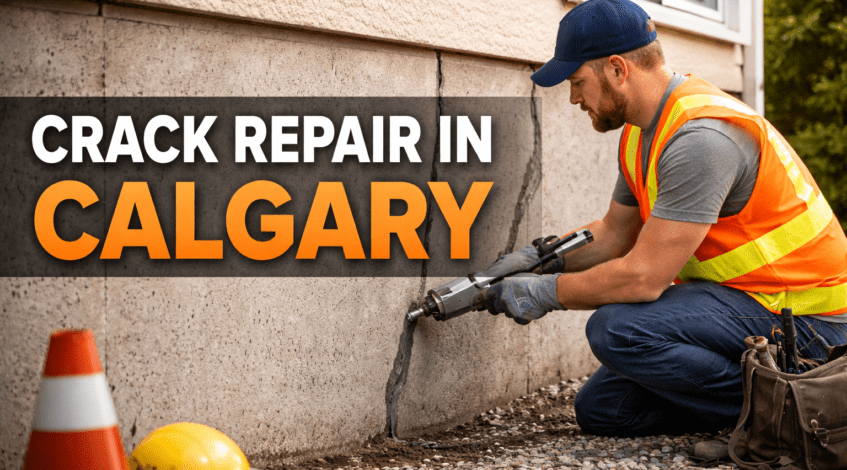
In Calgary, a foundation crack isn’t just a cosmetic flaw—it’s a direct result of our unique climate. Between the freeze-thaw cycles of our legendary Chinooks and the heavy saturation of the spring melt, Calgary foundations are under constant stress. 🛠️
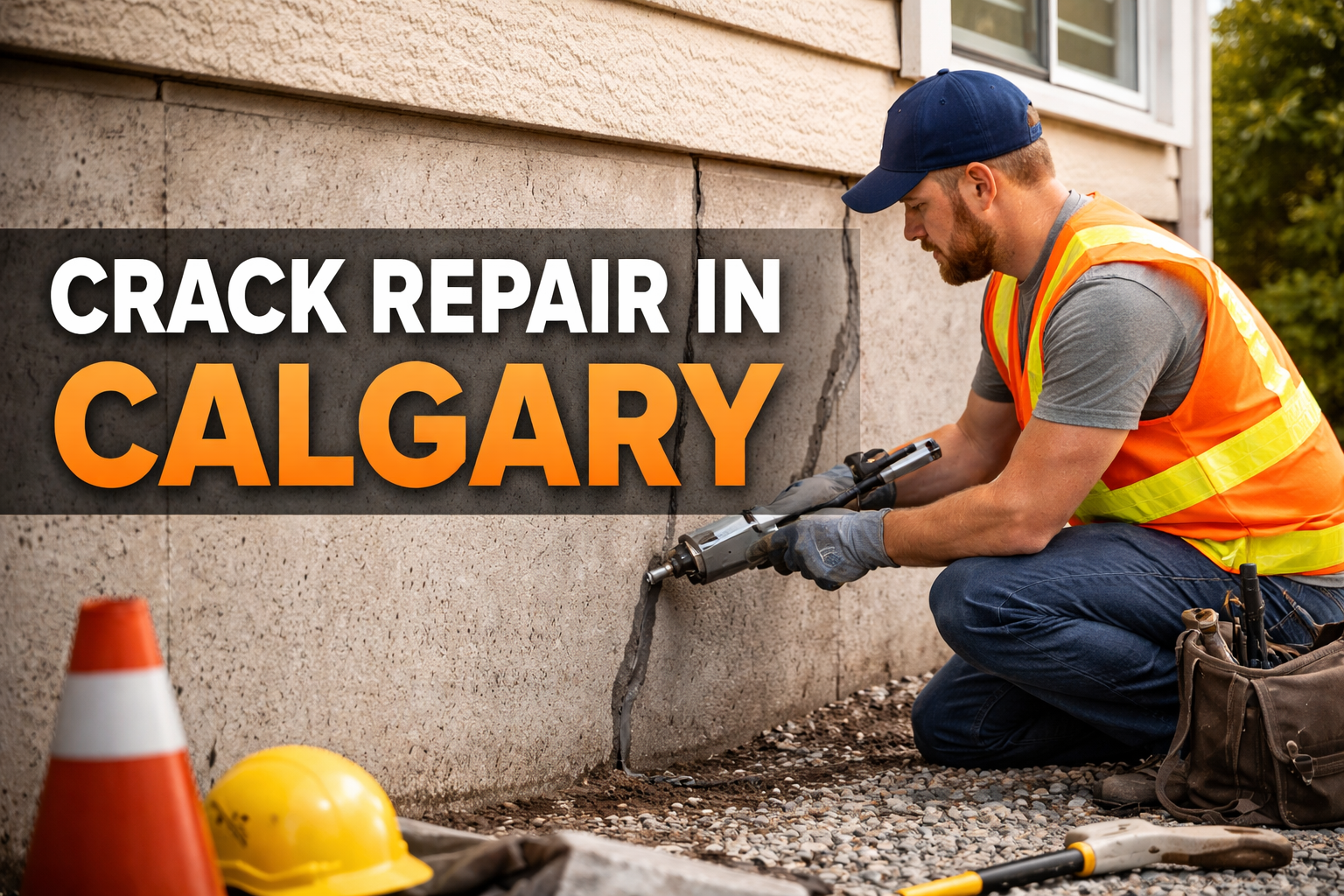
If you’ve discovered a crack in your basement wall, you likely have two questions: Is my house falling down? and How much is this going to cost? 💸
At Crack and Attic Doctor, we believe in permanent cures, not temporary patches. Here is the professional breakdown of foundation crack repair in Southern Alberta. 🩺
1. Why Calgary Foundations Crack (The Chinook Factor) 🏔️
Calgary is one of the hardest places in North America on concrete. Our soil is primarily clay-based, which expands when wet and shrinks when dry. When you add a Chinook—which can swing temperatures by 20°C in a single day—the ground around your home goes through a violent cycle of expansion and contraction. 📈
This movement creates “stress points” in your foundation. Eventually, the concrete gives way, resulting in:
-
Vertical Cracks: Often caused by settling. 📏
-
Horizontal Cracks: Usually a sign of hydrostatic (water) pressure pushing against the wall. 🌊
-
Stair-Step Cracks: Often found in concrete blocks, indicating soil movement. 🏗️
2. When Should You Worry? ⚠️
Not every hairline crack is an emergency, but every crack is an entry point. You should call a professional immediately if you notice:
-
Active Seepage: Water trickling in during rain or snowmelt. 💧
-
Width: Any crack wider than a loonie (approx. 3mm). 🪙
-
Location: Cracks near basement windows or corners. 🪟
-
Efflorescence: A white, powdery salt residue on the wall. 🧂
3. The Permanent Solution: High-Pressure Polyurethane Injection 💉
Many DIY kits use epoxy, which is rigid. However, because Calgary’s ground is always moving, a rigid fix will eventually crack again.
We specialize in High-Pressure Polyurethane Injection:
-
The Benefit: Polyurethane is “hydrophobic” and flexible. It expands to fill the entire void all the way to the outside soil. 🎈
-
The Result: It creates a flexible, rubber-like gasket that moves with your home during the next Chinook. ✅
4. Don’t Wait for the June Monsoon ☔
The best time to repair a crack is during the Spring Melt. This is when we can see exactly where the water is entering. If you wait until the heavy rains of June, a small seepage issue can quickly turn into a flooded basement, leading to mold and expensive repairs. 🍄
📞 Contact Calgary’s Specialists
A small crack today is a big repair tomorrow. Get your foundation inspected by the experts.
-
Phone: (403) 321-2623 | (403) 633-6616 📱
-
Website: www.cracknattic.ca 🌐
-
Email: crackandatticdoctor@gmail.com 📧
-
Serving: Calgary, Airdrie, Chestermere, Okotoks, and surrounding areas. 📍
Leave a Reply