
A damp Calgary basement does not always mean you have a foundation leak.
Sometimes water enters through a crack or another opening. In other cases, warm indoor air meets a cold basement surface and creates condensation. High indoor humidity can also make a basement feel damp without an obvious water leak.
Knowing the difference matters because each problem needs a different solution.
Health Canada lists several common sources of indoor moisture, including foundation leaks, plumbing leaks, condensation, flooding, and everyday activities such as cooking, bathing, and washing clothes.
For Calgary homeowners, winter can make the problem even more confusing. Cold foundation walls, heated indoor air, snow, ice, and changing outdoor temperatures can all affect moisture levels.
Here is how to identify the most common causes of basement moisture and when it is time to call a professional.
1. Is Water Actually Entering Through the Foundation?
The first question is whether you are dealing with liquid water.
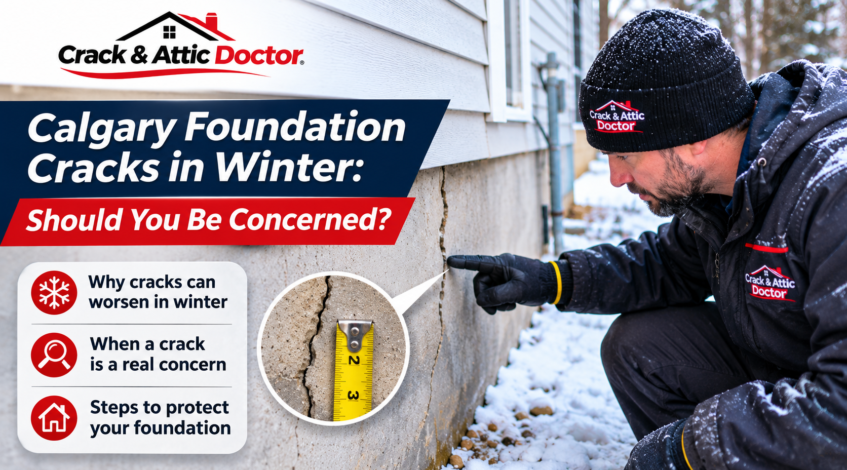
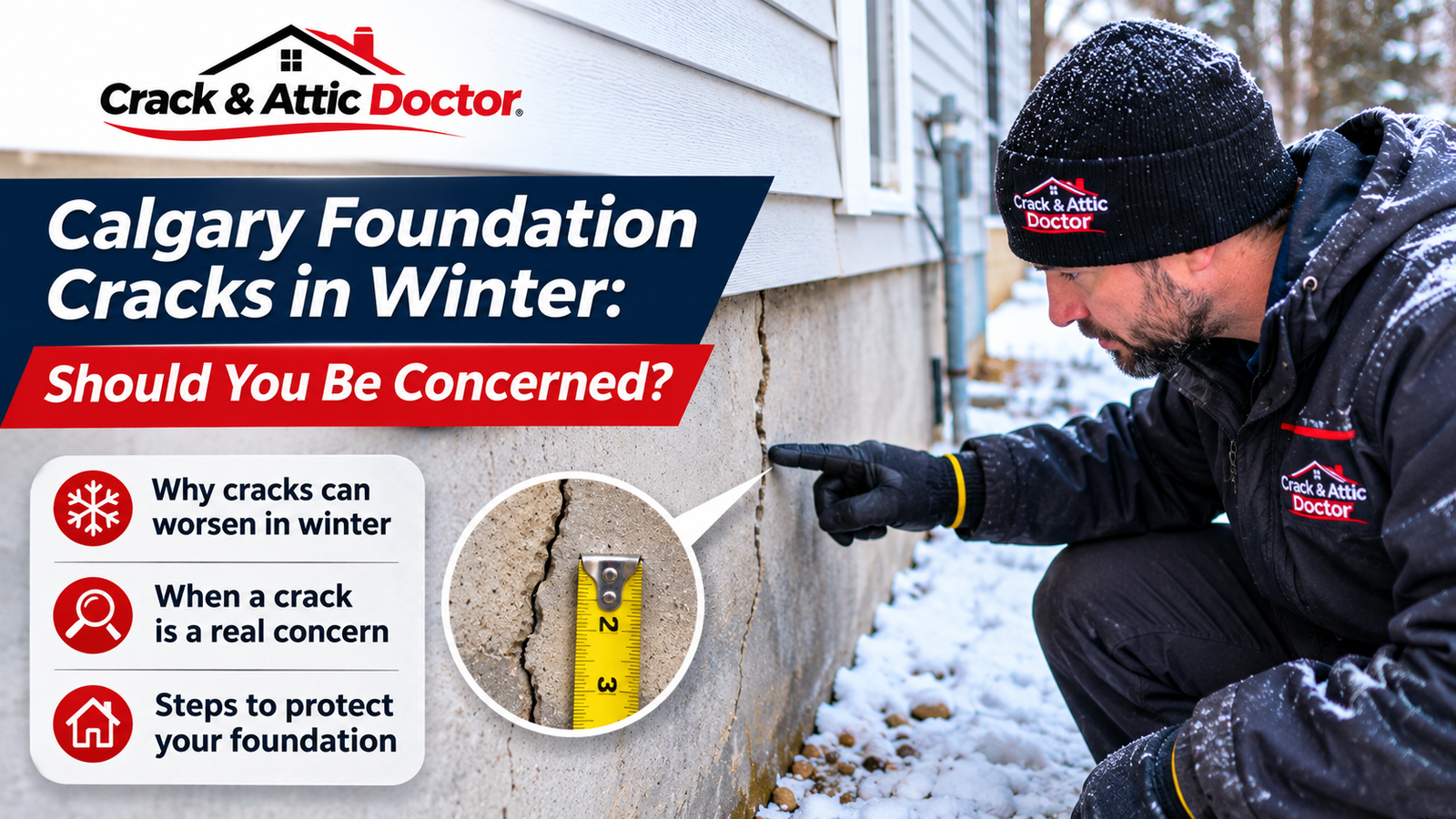
Foundation cracks can allow rainwater, groundwater, snowmelt, or other moisture to enter a basement. Government of Canada guidance recommends monitoring foundation cracks for moisture and watching for signs such as bubbling, discolouration, or peeling finishes.
Look closely at the basement walls and floor.
Signs of possible water entry include:
- Wet spots on concrete
- Water marks around cracks
- Damp areas that appear after rain or snowmelt
- White mineral deposits called efflorescence
- Peeling or bubbling paint
- Dark staining
- Water around basement windows
- Musty smells
- Cracks that continue to change
A crack does not automatically mean your foundation has a serious structural problem.
However, a crack that allows water to enter deserves attention.
2. Could Condensation Be the Real Problem?
Condensation can look like a leak even when no water is entering from outside.
Warm air can hold more moisture than cold air. When that warm, moist air reaches a cold surface, the moisture can turn into water droplets.
Basement walls and floors can become cold enough for condensation to form, especially when humidity levels rise.
You may notice:
- Wet-looking concrete walls
- Moisture on pipes
- Damp windows
- Water droplets on cold surfaces
- A clammy feeling in the basement
- Damp areas without a clear leak path
Natural Resources Canada explains that condensation can occur when humid air meets cool basement surfaces.
This is one reason you should not automatically seal every damp-looking area before finding the source.
3. High Humidity Can Make a Basement Feel Wet
Sometimes the basement does not have an active leak at all.
The air itself may contain too much moisture.
Everyday activities add moisture to a home. Cooking, showering, washing clothes, drying clothes indoors, and other activities can increase indoor humidity. Health Canada identifies these activities as common sources of indoor moisture.
A basement with high humidity may develop:
- Musty smells
- Condensation on windows
- Damp-feeling walls
- Mold growth
- Moisture on pipes
- Damp stored items
- Stale air
A hygrometer can help you monitor indoor humidity.
The Canadian Lung Association recommends keeping basement humidity around 30–50% to help control moisture and mold conditions.
If humidity remains high, a properly sized dehumidifier may help. But remember: a dehumidifier treats excess humidity. It does not repair a foundation leak.
4. Check for Plumbing Leaks
Not every basement moisture problem comes from the foundation.
A leaking pipe, water heater, washing machine, furnace drain, or other plumbing component can create moisture.
Look around:
- Water heaters
- Washing machines
- Utility sinks
- Exposed plumbing
- Furnace areas
- Floor drains
- Sump pumps
- Water softeners
- Basement bathrooms
Plumbing leaks can sometimes appear far from the original source because water follows floors, walls, and other surfaces.
If you find active water near plumbing equipment, contact a qualified plumbing professional.
5. Look at the Basement Windows
Basement windows can create several moisture problems.
Condensation can form on cold glass. Water can also enter through damaged seals, poorly maintained window wells, or drainage problems.
Check for:
- Water stains
- Damp window frames
- Condensation
- Damaged seals
- Cracks
- Blocked window wells
- Leaves or debris around drainage areas
Window wells should allow water to drain away from the basement rather than collect beside the foundation.
6. Check the Outside of the House Too
Basement moisture often has an outside cause.
Walk around your property and look at the area beside the foundation.
Check whether:
- Downspouts direct water away from the house
- Gutters remain clear
- Soil slopes away from the foundation
- Water pools beside exterior walls
- Window wells remain clear
- Snow piles against foundation walls
- Exterior cracks are visible
The Government of Canada recommends maintaining foundations, eavestroughs, downspouts, grading, sump pumps, and drainage systems as part of basement water protection.
Calgary’s changing weather makes this maintenance especially important.
Snow can melt during a warm spell, while frozen ground may limit how quickly water moves away from the house.
7. Do Not Cover a Moisture Problem Too Quickly
One common mistake is covering the evidence.
A homeowner may paint the wall, install new drywall, add insulation, or finish the basement without finding the moisture source first.
That can make the problem harder to see later.
Natural Resources Canada advises homeowners to correct moisture problems before adding interior insulation. Moisture trapped behind finished walls can lead to further damage.
If you are planning to finish an unfinished basement, investigate moisture first.
It is much easier to address the source before new walls, flooring, and insulation hide the foundation.
8. Watch for Efflorescence
Have you noticed a white, chalky substance on your basement wall?
That may be efflorescence.
It occurs when moisture moves through masonry or concrete and leaves mineral deposits behind as the water evaporates.
Efflorescence does not automatically mean you have a major structural problem.
It can, however, indicate that moisture has been moving through the wall.
Canada’s home-energy guidance lists efflorescence among the visible signs associated with basement dampness.
If you see recurring deposits, investigate where the moisture comes from.
9. Pay Attention to Musty Odours
A basement can smell damp before you can see a moisture problem.
A musty or earthy smell may indicate excess moisture or mold growth.
The Canadian Lung Association notes that musty, damp, or earthy basement odours can be a sign of mold.
Do not simply cover the smell with air fresheners.
Instead, look for the source.
Check walls, floors, stored materials, windows, plumbing, and other areas where moisture may collect.
10. Winter Can Change What You See
Calgary’s winter weather creates unique moisture conditions.
Cold outdoor temperatures can make basement walls and windows much colder than the indoor air. Heated indoor air can carry moisture, and that moisture may condense on cold surfaces.
At the same time, snow and ice can contribute to exterior water around the foundation during later thaws.
This means a basement that looks dry during one season may show moisture problems during another.
Keep an eye on the basement during:
- Long cold spells
- Heavy snow
- Rapid snowmelt
- Warm Chinook periods
- Heavy rainfall
- Sudden temperature changes
Changes over time can provide useful clues about the source.
11. What Is the Difference Between a Leak and Condensation?
Here is a simple way to think about it.
A foundation leak often shows:
- Water around a crack
- Staining along a wall
- Moisture after rain or snowmelt
- Efflorescence
- Localized damp areas
- Water entering at a specific point
Condensation often shows:
- Moisture across cold surfaces
- Water droplets on pipes or windows
- Dampness during high-humidity conditions
- No obvious entry point
- Moisture that changes with indoor temperature and humidity
High indoor humidity often shows:
- Musty air
- Window condensation
- Damp stored items
- Moisture on several cold surfaces
- High humidity readings
These signs can overlap.
That is why identifying the source is more useful than simply treating the visible moisture.
12. When Should You Call a Professional?
Consider professional help if:
- Water enters through a foundation crack
- A crack continues to grow
- You find recurring dampness
- Your basement floods during rain or snowmelt
- Efflorescence keeps returning
- You cannot identify the moisture source
- Mold keeps returning
- The basement remains damp despite humidity control
- You plan to finish the basement
- You notice signs of foundation movement
The Government of Canada recommends professional assessment when foundation cracks continue growing, when water seeps through cracks, or when homeowners suspect a leak but cannot locate its source.
A proper assessment can help separate a foundation problem from a humidity or condensation problem.
13. What Should You Do First?
Do not panic when you find basement moisture.
Start by documenting what you see.
Take photographs of:
- Cracks
- Stains
- Wet areas
- Efflorescence
- Window condensation
- Plumbing connections
- Exterior drainage
- Any visible mold
Note when the moisture appears.
Does it happen after rain? During a cold snap? After a Chinook? When the basement humidity rises?
This information can help a professional understand the pattern.
14. Why Finding the Source Matters
A dehumidifier may help with high humidity.
Better drainage may help with exterior water.
A plumbing repair may solve an active pipe leak.
Foundation crack repair may be necessary when water enters through concrete.
The correct solution depends on the cause.
That is why moisture diagnosis should come before major repairs.
Protect Your Calgary Basement Before Moisture Becomes a Bigger Problem
Basement moisture can come from several different sources.
A foundation crack, plumbing leak, condensation, high humidity, poor drainage, or window problem can all create signs that look similar at first.
Finding the source is the most important step.
If you notice recurring dampness, water stains, foundation cracks, musty odours, or moisture that you cannot explain, Crack & Attic Doctor can help assess the problem and recommend the next step.
The company provides crack repair, attic repair, mold treatment, and related building-envelope services in Calgary and surrounding Southern Alberta communities.
Crack & Attic Doctor
Phone: (403) 321-2623
Email: crackandatticdoctor@gmail.com
Website: www.cracknattic.caServing: Calgary, Cochrane, Airdrie, Chestermere, Conrich, Okotoks, and High River.
Do not guess at the source of basement moisture. Find the cause, address the problem, and protect your home before a small moisture issue becomes a much bigger repair.
Frequently Asked Questions
Why does my Calgary basement feel damp in winter?
Cold walls and floors can create condensation when warm indoor air carries moisture into the basement. A foundation leak, plumbing problem, or high indoor humidity can also cause damp conditions.
How can I tell if my basement has a foundation leak?
Look for localized water around foundation cracks, recurring stains, efflorescence, or moisture that appears after rain or snowmelt. A professional assessment can help identify the source when it is unclear.
Can condensation look like a basement leak?
Yes. Moisture can form when humid air meets cold basement surfaces. This can make walls, windows, or pipes appear wet even when groundwater is not entering the home.
Does a dehumidifier fix a wet basement?
A dehumidifier can help reduce high indoor humidity. It cannot repair a foundation crack, plumbing leak, drainage problem, or other source of water intrusion.
Should I finish my basement if I have moisture problems?
Find and correct the moisture source first. Adding drywall, insulation, or other finishes can hide moisture and make future problems harder to detect.
When should I get professional basement moisture help?
Contact a professional when moisture keeps returning, water enters through a foundation crack, you find unexplained stains or efflorescence, mold returns, or you cannot identify where the moisture comes from.