
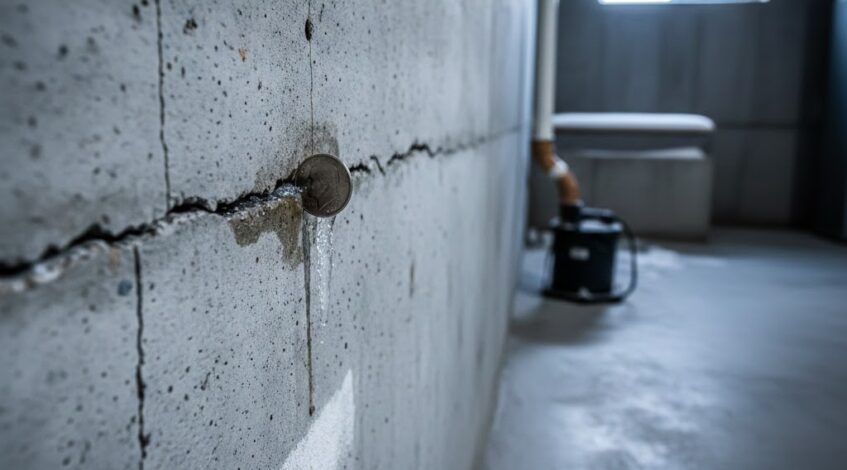
In Alberta, winter isn’t just hard on our heating bills—it’s grueling for our foundations. Between the deep freezes of January and the sudden thaws of a Calgary Chinook, your home’s concrete is constantly under pressure.
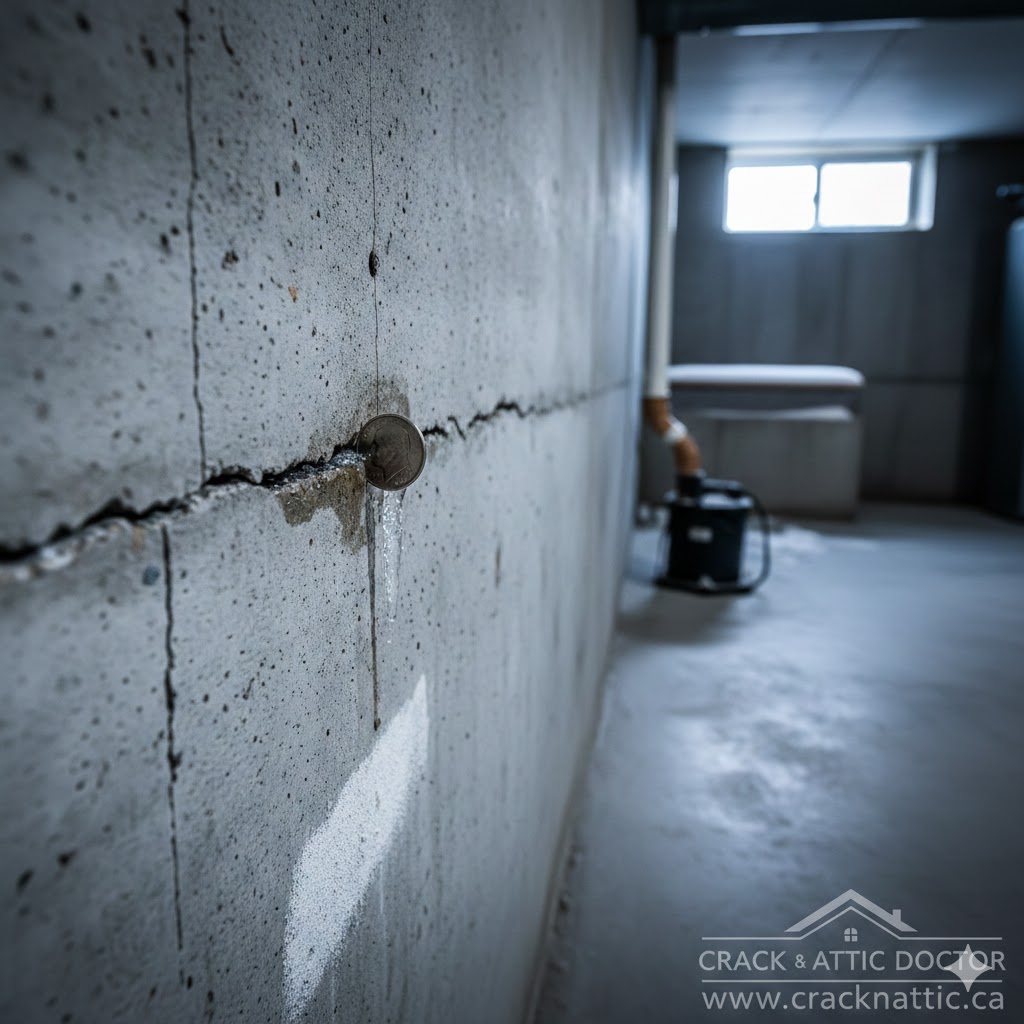
You might be walking through your basement and notice a new line running down the wall. The big question is: Is this a simple cosmetic fix, or is your home’s skeletal system in trouble?
At Crack and Attic Doctor, we believe early diagnosis is the best cure. Here is how to tell if that crack is a minor “scratch” or a structural emergency.
1. Direction Matters: Vertical vs. Horizontal
The direction of the crack is often the first “symptom” we look at to determine the severity of the issue.
-
Vertical Cracks (The Common Cold): Most vertical cracks are caused by the natural settling of a home. While they can let in water and radon gas—meaning they still need to be sealed—they are rarely a sign that your house is falling down.
-
Horizontal Cracks (The Emergency Room): If you see a crack running sideways along your foundation wall, take action immediately. This is usually caused by “hydrostatic pressure” or frost heave—where the frozen ground outside is pushing so hard against your wall that it is starting to bow or buckle.
2. The “Nickel” Test for Width
A hairline crack is generally defined as anything less than 3mm (about 1/8 inch).
-
Hairline: Usually a result of concrete shrinkage. Keep an eye on it, but don’t panic.
-
Wide Gaps: If you can fit a nickel into the crack, or if it is wider at the top than at the bottom, the foundation is shifting unevenly. This requires a professional “doctor’s” intervention to prevent further movement.
3. Stair-Step Cracks in Brick or Block
If your foundation or exterior is made of concrete blocks or brick, look for stair-step patterns. When cracks follow the mortar joints in a diagonal “up-and-over” pattern, it’s a classic sign of foundation settlement or heaving that needs structural stabilization.
4. Watch for “Weeping” or Moisture
Winter cracks are particularly dangerous because of the Freeze-Thaw Cycle. If you see moisture, ice buildup, or white powdery residue (efflorescence) around the crack, water is getting in. When that water freezes inside the crack, it acts like a wedge, forcing the crack wider every time the temperature drops again.
5. Check the Rest of the House
A structural foundation issue rarely stays in the basement. Look for these “secondary symptoms” upstairs:
-
Doors or windows that suddenly stick or won’t latch.
-
New cracks in the drywall above door frames.
-
Gaps between the wall and the ceiling.
The Verdict: Better Safe Than Sorry
While many cracks are just “scars” of a settling home, ignoring a structural crack in the winter can lead to a flooded basement in the spring or, worse, a compromised home.
If you aren’t sure, let the experts take a look. We specialize in diagnosing the health of your home from the attic down to the foundation.
Contact the Doctor Today!
Don’t let a small crack become a big headache. Reach out for a professional assessment across the Calgary region.
-
Phone: (403) 321-2623 📱
-
Email: crackandatticdoctor@gmail.com 📧
-
Website: www.cracknattic.ca 🌐
Visit Us:
-
📍 715, 100, 4th Av SW, Calgary, AB
-
📍 #1, 32 Westwinds Crescent NE, Calgary, AB
Serving: Calgary, Airdrie, Cochrane, Chestermere, Okotoks, High River, and beyond. 🏙️
Leave a Reply